

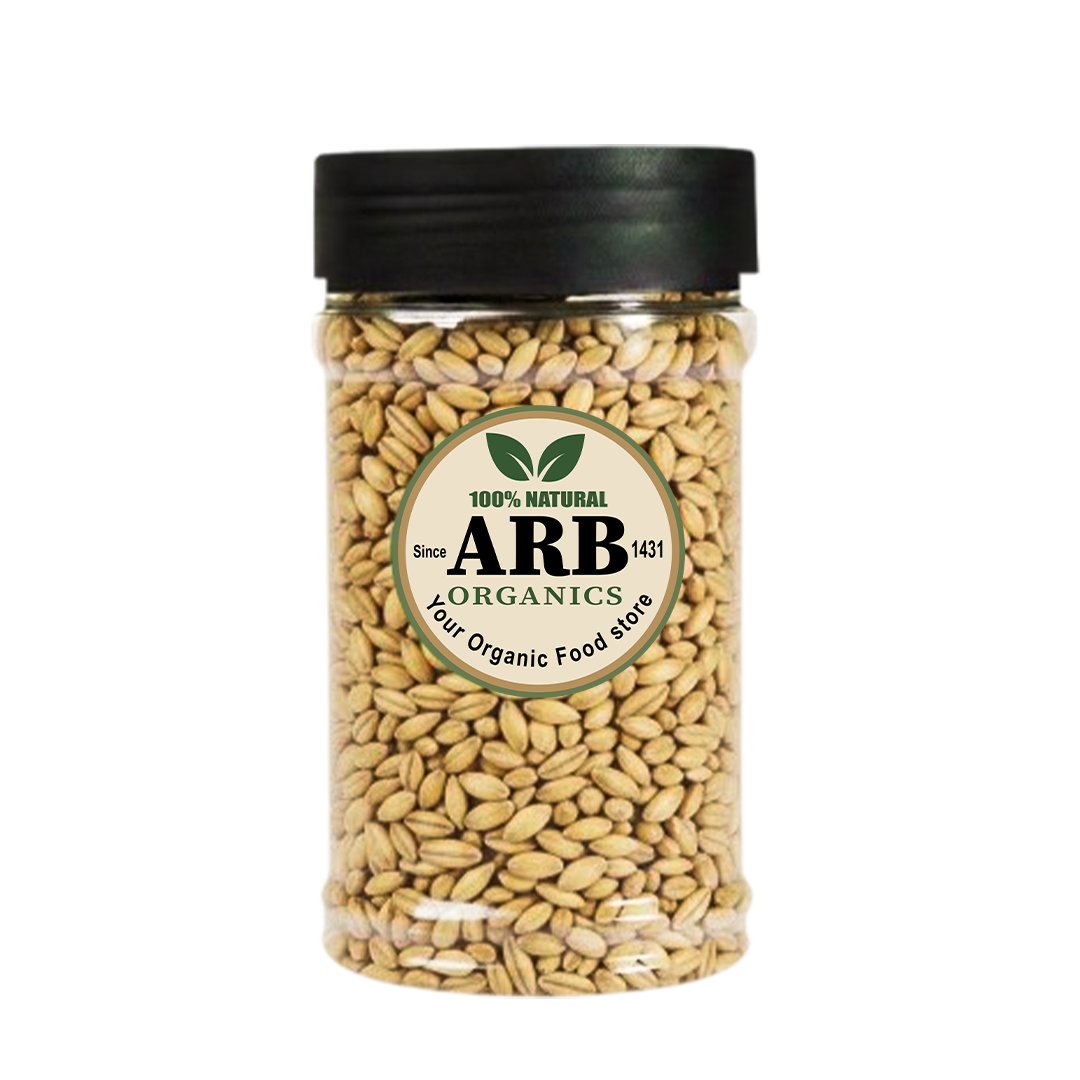

Jou Desi (Barley Organic Seed) Non-Hybrid Seeds
₨ 1,000
Jou Desi (Barley) – Non-Hybrid Heirloom Seeds
Also known as Traditional Barley or Desi Jau, this is an authentic, non-hybrid variety of barley that has been cultivated for millennia. Unlike modern hybrid varieties bred for uniform size and high yield, our Jou Desi retains its original genetic diversity, rich nutritional profile, and natural hardiness.
✅ 100% Non-Hybrid | Heirloom Open-Pollinated Variety
✅ Rich in Fiber, Protein & Essential Minerals
✅ Chemical-Free & Organic Cultivation
✅ High Germination Rate (Plantable!)
✅ Perfect for Flour, Porridge, Animal Feed & Seed Saving
Jou Desi (Barley) – Non-Hybrid Heirloom Seeds
Barley is one of the most ancient cultivated grains in human history, valued for millennia for its resilience, nutrition, and versatility. Jou Desi represents the traditional, non-hybrid form of this venerable grain – an open-pollinated landrace that has been preserved by generations of farmers who understand that true nutrition and genetic diversity cannot be engineered in a laboratory. ARB Organics brings you this heritage grain in its purest form: Non-Hybrid, Heirloom Jou Desi (Barley) Seeds.
Unlike modern hybrid varieties developed for maximum yield and uniform appearance, our Jou Desi represents the original – with all its genetic diversity, nutritional density, and authentic flavor intact. These are the barley seeds our ancestors grew, saved, and cherished.
What Is Jou Desi (Traditional Barley)?
Jou Desi refers to traditional, open-pollinated varieties of barley (Hordeum vulgare) that have been cultivated for thousands of years. Unlike modern hull-less or malting barley hybrids, Desi barley varieties typically retain their tough outer hull, which protects the grain and preserves its nutritional integrity.
Traditional barley landraces are characterized by:
- Genetic Diversity: Not uniform like hybrids, but a diverse population adapted to local conditions
- Resilience: Natural hardiness and adaptation to varied growing conditions
- Nutritional Density: Higher mineral and fiber content than many modern varieties
- Seed Sovereignty: Open-pollinated – farmers can save seeds year after year
In traditional agricultural systems, barley has been valued as a dual-purpose crop – providing nutritious grain for human consumption and excellent straw for animal bedding and feed.
Why Non-Hybrid Landrace Variety Matters
- Genetic Purity: Our seeds are open-pollinated, non-GMO, and non-hybrid – the original landrace varieties preserved by traditional farmers
- Superior Nutrition: Traditional landrace varieties often contain higher mineral content and more complex nutrient profiles than hybrid counterparts bred solely for yield
- Seed Sovereignty: Save seeds from your harvest and replant – true sustainability that hybrid seeds don’t allow
- Chemical-Free: Grown naturally without pesticides or synthetic fertilizers, using traditional farming methods
- Genetic Diversity: Maintains the broad genetic base essential for long-term crop resilience
- Preserving Heritage: Supporting the conservation of agricultural biodiversity
- Adapted to Local Conditions: Non-hybrid varieties can gradually adapt to your specific farm environment over seasons
Key Benefits (Traditional & Modern)
Rich in Beta-Glucan Fiber:
Barley is one of the richest sources of beta-glucan – a soluble fiber that supports heart health by helping to maintain healthy cholesterol levels. This fiber also promotes stable blood sugar and feeds beneficial gut bacteria.
Digestive Health:
The high fiber content in barley supports healthy digestion, promotes regular elimination, and acts as a prebiotic for gut health. Traditional barley water has been used for centuries as a gentle digestive aid.
Sustained Energy Release:
Barley’s complex carbohydrates provide steady, sustained energy without the blood sugar spikes associated with refined grains – making it an ideal grain for sustained physical activity.
Rich in Essential Minerals:
Barley is packed with selenium (important for thyroid function and antioxidant protection), copper (for red blood cell formation), manganese (for bone health), phosphorus, magnesium, and iron.
Plant-Based Protein:
With a good protein content, barley contributes significantly to daily protein needs, particularly valuable for vegetarian and vegan diets.
Antioxidant Properties:
Contains lignans and other antioxidant compounds that help protect cells from oxidative stress.
Versatile Uses:
- Human Food: Flour for flatbreads, whole grain for soups and porridge
- Animal Feed: Nutritious grain for livestock and poultry
- Fodder: Excellent green fodder when harvested early
- Straw: Valuable for animal bedding and soil improvement
Nutritional Profile (per 100g whole barley approx.)
- Energy: 350-360 kcal
- Protein: 10-12g
- Fiber: 15-17g (excellent source of beta-glucan)
- Carbohydrates: 70-75g (complex)
- Fat: 2-3g (healthy unsaturated fats)
- Selenium: Very good source
- Copper: Good source
- Manganese: Excellent source
- Phosphorus: 200-250mg
- Magnesium: 120-140mg
- Iron: 3-4mg
- B Vitamins: Niacin, Thiamine, B6
Traditional Uses
Barley Flour (Jou ka Atta):
- Traditional flatbreads made from barley flour – denser and more nutritious than wheat
- Often mixed with wheat flour for improved texture while retaining nutritional benefits
- Valued for its distinctive, nutty flavor
Barley Porridge (Daliya):
- Cracked barley cooked with milk or water into a hearty porridge
- Traditional breakfast food, often sweetened with honey or jaggery
- Given to children, elders, and those recovering from illness
Barley Water (Satu):
- Roasted barley flour mixed with water, salt, and sometimes buttermilk
- Traditional cooling summer drink, also used as a digestive aid
- Provides hydration and sustained energy
Barley in Soups & Stews:
- Whole barley added to vegetable soups and meat stews
- Adds thickness, nutrition, and hearty texture
- Traditional winter comfort food
Animal Feed:
- Whole or cracked barley fed to cattle, horses, sheep, and poultry
- Valued for its energy content and palatability
Traditional Remedies:
- Barley water used for urinary tract health
- Barley gruel given during convalescence
- Used in traditional medicine systems for its cooling and soothing properties
Modern Uses
Hearty Barley Soup:
- Add whole barley to vegetable, mushroom, or meat soups
- Provides substance, nutrition, and satisfying chewiness
Barley Pilaf/Risotto:
- Cook barley like rice in flavorful broth
- Add vegetables, herbs, and spices for a nutritious main dish
- Chewy texture holds up well, nutty flavor complements many ingredients
Barley Salad:
- Cooked, cooled barley as base for hearty salads
- Combine with roasted vegetables, herbs, feta, and light vinaigrette
- Perfect for meal prep – stays fresh for days
Barley Breakfast Bowl:
- Cooked barley with milk, fruits, nuts, and honey
- Nutritious alternative to oatmeal
Barley Flour in Baking:
- Substitute up to 30% of wheat flour with barley flour in breads, muffins, and pancakes
- Adds moisture, nutty flavor, and nutritional boost
Barley Malt (Home Production):
- Sprout barley, dry, and roast to make homemade malt
- Use in baking, as natural sweetener, or for traditional beverages
Green Fodder Production:
- Sow densely for nutritious green fodder for livestock
- Harvest at 45-60 days for optimal nutrition
- Excellent for dairy animals and small livestock
Soil Improvement & Cover Crop:
- Barley makes an excellent cover crop
- Deep roots improve soil structure
- Can be plowed under as green manure
Grow Your Own:
- Plant in cool season
- Harvest grain in 90-120 days
- Save seeds for next season – true food sovereignty
How to Use (Quick Guide)
- For Whole Grain Cooking: Soak overnight (8-12 hours), cook with 3x water for 45-60 minutes until tender
- For Flour: Grind in flour mill – barley flour is best used fresh or stored in refrigerator
- For Porridge: Use cracked barley, cook with 3-4x liquid for 30-40 minutes
- For Sprouting: Soak 8-12 hours, rinse twice daily for 2-3 days
- For Planting: Sow in cool season, 1-2 inches deep
Flavor Profile: Nutty, earthy, slightly sweet – the wholesome, satisfying taste of traditional barley.
Storage Instructions
Whole Grain (Seeds): Store in a cool, dry place in airtight container away from moisture and pests. Whole barley keeps for 12-24 months when properly stored.
For Planting: Store in cool, dark, dry place. Will remain viable for 2-3 years under optimal conditions.
Ground Flour: Use within 2-4 weeks for best flavor. Barley flour contains natural oils that can go rancid. Refrigerate or freeze for longer storage.
Growing Guide (for farmers/gardeners)
- Season: Cool season crop – sow in autumn or early spring depending on climate
- Soil: Well-drained loamy soil, pH 6.0-7.5
- Seed Rate: 80-100 kg per hectare for grain production
- Seed Rate (Fodder): 100-120 kg per hectare for dense green fodder
- Sowing Depth: 1-2 inches deep
- Row Spacing: 6-8 inches between rows for grain; closer for fodder
- Germination: 5-10 days depending on temperature
- Water: Moderate – drought-tolerant once established
- Harvest (Grain): 90-120 days, when plants turn golden and grain hardens
- Harvest (Fodder): 45-60 days, before flowering for best quality
- Seed Saving: Open-pollinated landrace – select best plants for seed saving
Packaging
Comes in a food-grade, resealable pouch to maintain freshness and protect from moisture and pests.
Add to cart now – grow and enjoy this ancient, nourishing grain preserved through generations of traditional farming wisdom!
| Weight | 1KG |
|---|

Related products

Bajra (Pearl Millet) Non-Hybrid Seeds
Bajra (Pearl Millet) – Non-Hybrid Heirloom Seeds
Also known as Pearl Millet, Bajri, or Sajje, our Desi Bajra is the authentic, non-hybrid variety that has been cultivated in the Indian subcontinent for thousands of years. Unlike hybrid varieties bred for high yield, our heirloom Bajra retains its original nutritional density, rich flavor, and natural germination ability.
✅ 100% Non-Hybrid | Heirloom Desi Variety
✅ Rich in Iron, Fiber & Essential Minerals
✅ Chemical-Free Cultivation
✅ High Germination Rate (Plantable!)
✅ Perfect for Flour, Porridge & Traditional Rotis
Black Seed Organic | Kalonji Desi | Non-Hybrid Seeds
Premium Black Seeds (Kalonji) – 250g
Also known as Nigella Sativa or "Blessed Seeds," our premium Kalonji is sourced from pure, chemical-free farms. These tiny black seeds pack a powerful punch of flavor and nutrition.
✅ 100% Organic & Natural
✅ Rich in Thymoquinone
✅ No Preservatives | No Additives
✅ Perfect for Cooking & Remedies
Channa Suffaid Desi | Chickpea White Organic | Non-Hybrid Seeds
Channa Suffaid Desi (White Chickpea) – Non-Hybrid Heirloom Seeds
Also known as Safed Chana, Kabuli Chana, or White Gram, our Desi White Chickpeas are the authentic, non-hybrid variety cultivated in traditional Indian farms for generations. Unlike hybrid varieties bred for uniform size, our heirloom chickpeas retain their original nutritional potency, rich flavor, and natural germination ability.
✅ 100% Non-Hybrid | Heirloom Desi Variety
✅ Rich in Protein, Fiber & Essential Minerals
✅ Chemical-Free Cultivation
✅ High Germination Rate (Plantable!)
✅ Perfect for Sprouting, Curries & Daily Nutrition
Javi Desi ( Oats Seeds Organic ) Non-Hybrid Seeds
Javi Desi (Oats Seeds) – Non-Hybrid Heirloom Landrace
Also known simply as Javi or Desi Oats, this is a traditional, non-hybrid oat landrace (Avena sativa) originating from the Indian subcontinent. Unlike modern hybrid varieties bred for uniform size and high yield, our Javi Desi retains its original genetic diversity, rich nutritional profile, and natural hardiness.
✅ 100% Non-Hybrid | Heirloom Landrace Variety
✅ Rich in Fiber, Protein & Essential Minerals
✅ Chemical-Free & Organic Cultivation
✅ High Germination Rate (Plantable!)
✅ Perfect for Porridge, Flour & Animal Fodder
Moong Desi | Mung Bean Organic | Non-Hybrid Seeds
Desi Moong (Mung Bean) – Non-Hybrid Heirloom Seeds
Also known as Green Gram, Moong Dal, or Pesalu in Telugu, our Desi Moong is the authentic, non-hybrid variety that has been cultivated in the Indian subcontinent for millennia. Unlike hybrid varieties bred for uniform size, our heirloom moong retains its original nutritional density, rich flavor, and natural germination ability [citation:1].
✅ 100% Non-Hybrid | Heirloom Desi Variety
✅ Rich in Protein, Fiber & Essential Minerals
✅ Chemical-Free Cultivation
✅ High Germination Rate (Sproutable & Plantable!)
✅ Perfect for Sprouts, Dal, Pesarattu & Daily Nutrition
Pumpkin Seeds Organic | Tukham Kaddo Desi | Non-Hybrid Seeds
Pumpkin Seeds (Tukham Kaddo Desi) – Organic Non-Hybrid Heirloom Seeds
Also known as Kaddu ke Beej or Desi Pumpkin Seeds, these traditional, non-hybrid pumpkin seeds come from open-pollinated heirloom varieties cultivated for generations. Unlike hybrid seeds bred for uniform appearance, our Tukham Kaddo Desi retains its original nutritional potency, rich flavor, and natural germination ability.
✅ 100% Non-Hybrid | Heirloom Open-Pollinated Variety
✅ Rich in Protein, Zinc, Magnesium & Healthy Fats
✅ Chemical-Free & Organic Cultivation
✅ High Germination Rate (Plantable!)
✅ Perfect for Snacking, Wellness & Home Gardening
Sunflower Seeds (Soraj Mukhi Desi) Non-Hybrid Seeds
Desi Sunflower Seeds (Soraj Mukhi) – Non-Hybrid Heirloom Variety
Also known as Suraj Mukhi ke Beej or Surajmukhi Giri, our Desi Sunflower Seeds are the authentic, non-hybrid variety cultivated in traditional Indian farms for generations. Unlike hybrid commercial seeds bred for uniform size, our heirloom seeds retain their original nutritional potency, rich flavor, and natural germination ability.
✅ 100% Non-Hybrid | Heirloom Desi Variety
✅ Rich in Vitamin E, Selenium & Healthy Fats
✅ Chemical-Free Cultivation
✅ High Germination Rate (Sproutable!)
✅ Perfect for Snacking, Baking & Wellness
Torri Desi Beej | Gourd Seeds Organic | Non-Hybrid Seeds
Torri Desi Beej (Ridge Gourd Seeds) – Organic Non-Hybrid Heirloom Seeds
Also known as Ridge Gourd, Ribbed Gourd, Luffa acutangula, or Chinese Okra, our Torri Desi is a traditional, non-hybrid open-pollinated variety prized for generations. This fast-growing climber produces tender, ridged fruits with a mild, slightly sweet flavor and firm texture that holds up beautifully in cooking.
✅ 100% Non-Hybrid | Heirloom Open-Pollinated Variety
✅ Tender, Ridged Fruits – Harvest at 6-10 inches
✅ Mild, Slightly Sweet Flavor – Firm Texture
✅ Fast-Growing & Productive – Ready in 45-60 Days
✅ Chemical-Free & Organic Cultivation
✅ High Germination Rate (Plantable!)
✅ Perfect for Curries, Stir-fries, Soups & Seed Saving

Reviews
There are no reviews yet.